Karachi has recorded its first polio case in nearly two years, and health officials are now facing a clear test in the city where the case was found. Pakistan’s National Emergency Operations Centre has confirmed the country’s seventh polio case of 2026, in a six month old boy from Jamali Colony in Karachi East. The confirmation came from the Regional Reference Laboratory at the National Institute of Health in Islamabad.
The case matters because of where it appeared. Karachi had gone since December 2024 without a confirmed case, and a new case in the country’s largest city raises the risk of the virus spreading in crowded neighbourhoods where many young children live close together. It also comes at a time when the national programme is preparing for a large vaccination round, which now carries extra weight in Karachi East in particular.
Across Pakistan, the picture for 2026 is still limited to a small number of cases, but the spread across provinces is important. Five of the seven cases this year are from Khyber Pakhtunkhwa and two are from Sindh. That pattern shows the virus is not confined to one area, even though the total number remains low compared with the years when polio was far more common in Pakistan.
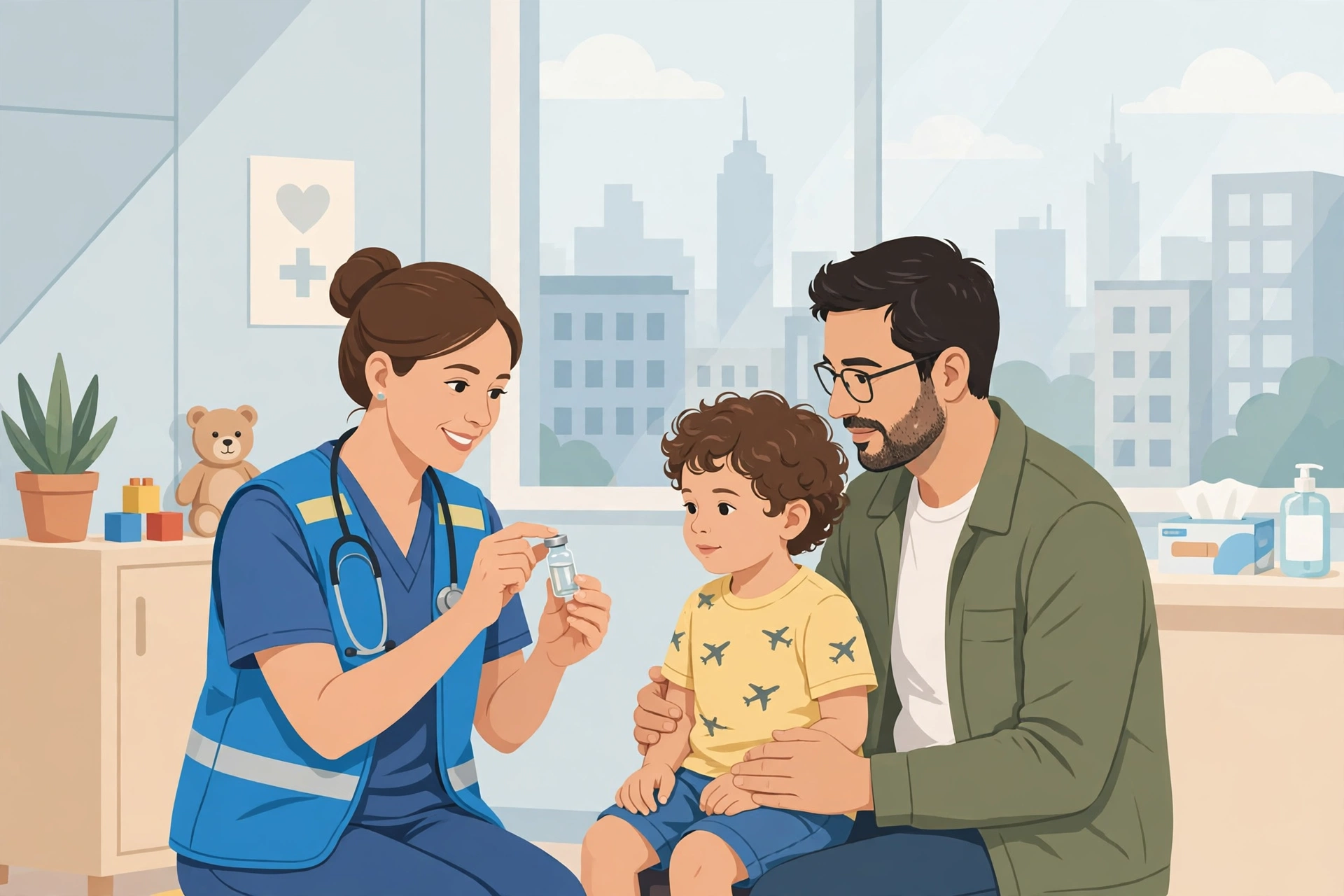
The next step is already set. A sub national vaccination campaign will run from November 2 to 8, 2026, covering 97 districts, including all of Karachi. The target is 23.9 million children under the age of five. In practice, that means vaccination teams will need to reach homes, schools, health centres and busy public places, and they will need to find children who were missed in earlier rounds.
For parents, the message is simple and practical. If a child under five lives in Karachi, or in any district covered by the campaign, parents should make sure that child is vaccinated during the November round, even if the child has been vaccinated before. Repeated doses are part of how polio vaccination works, and a missed dose can leave a gap. Keeping the child’s vaccination card safe and showing it to the team can also help health workers keep a correct record.
The harder part of the drive will be coverage, not just supply. In a city the size of Karachi, success depends on reaching families in every street, including families who move often, families who are away during the day, and families who may not trust door to door teams. Health workers will need clear information in local languages, support from community leaders, and a plan to return to homes where a child was not available on the first visit.
There is also a wider lesson in this case. Polio can return quietly. A single confirmed case does not mean an outbreak is already under way, but it does mean the virus is still present and still able to find children who are not fully protected. That is why health officials treat every case as a warning, and why a vaccination round that follows a new case is judged on how many children it actually reaches, not only on how many districts it covers.
What should readers watch for in November? First, whether Karachi East receives focused attention, including follow up visits for missed children. Second, whether the campaign reports its coverage openly, district by district, so gaps can be fixed while teams are still on the ground. Third, whether any further cases are reported in the weeks after the round, which will show whether the response was fast and wide enough.
For now, the facts are clear and the task is clear. A child in Karachi East has been confirmed with polio, the first in the city in nearly two years, and a major vaccination drive starts on November 2. Its success will be measured in one way only: how many children under five in Karachi and across Pakistan are protected by the end of it.