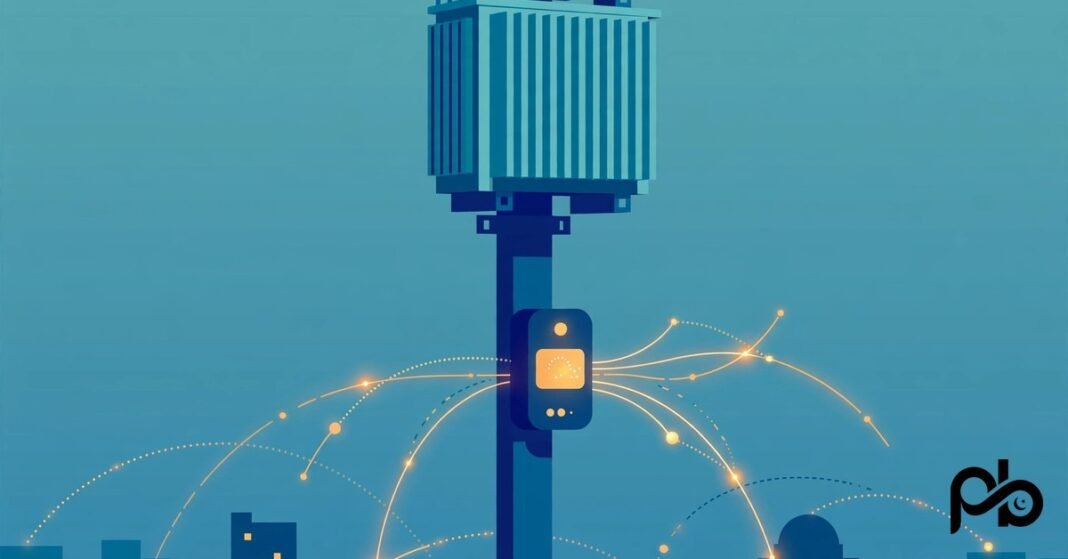

Pakistan will install smart meters on transformers across all power distribution companies (DISCOs), the federal government decided at a meeting in Islamabad on Tuesday, November 10, 2026, in a move aimed at curbing electricity theft and overbilling.
What happened?
Federal Minister for Economic Affairs Ahad Cheema chaired the meeting, which reviewed development programmes for the DISCOs and the Economic Affairs Division’s efforts to arrange funding for the smart metering system. Participants were told that positive progress had been made in securing the funding.
Power Minister Sardar Awais Ahmad Khan Leghari and the Prime Minister’s Adviser on Privatisation also attended the meeting.
Key details
- Smart meters will be fitted to transformers across all DISCOs, so the electricity flowing into an area can be compared with what consumers are actually billed for.
- The system is intended to curb electricity theft, improve billing accuracy and protect consumers from overbilling.
- The Economic Affairs Division is arranging the funding for the project, and the meeting was told that progress so far has been positive.
- The project will continue even after the DISCOs are privatised, with private investors required to carry it forward.
- Negotiations with multilateral development partners on the DISCOs’ development programmes will continue until privatisation is complete.
- Any new project undertaken by a private investor within a DISCO must go through competitive bidding and receive approval from the National Electric Power Regulatory Authority (NEPRA) where required.
- The plan builds on an earlier advanced metering infrastructure (AMI) rollout, under which about 1.5 million smart meters had been installed by late 2025, with power losses down by about 2 percent in areas where AMI was used.
What it means for people in Pakistan
For households, the change should mean fairer electricity bills. A meter on the transformer shows how much power actually reached a street or neighbourhood, so it becomes much easier to spot where electricity is being lost or stolen instead of the cost quietly landing on paying customers through inflated bills.
It also gives the power companies a live picture of their networks, so faults and losses can be found in hours rather than months. The real test will be whether the data is acted on — the meters can flag a problem, but field teams still have to fix it.