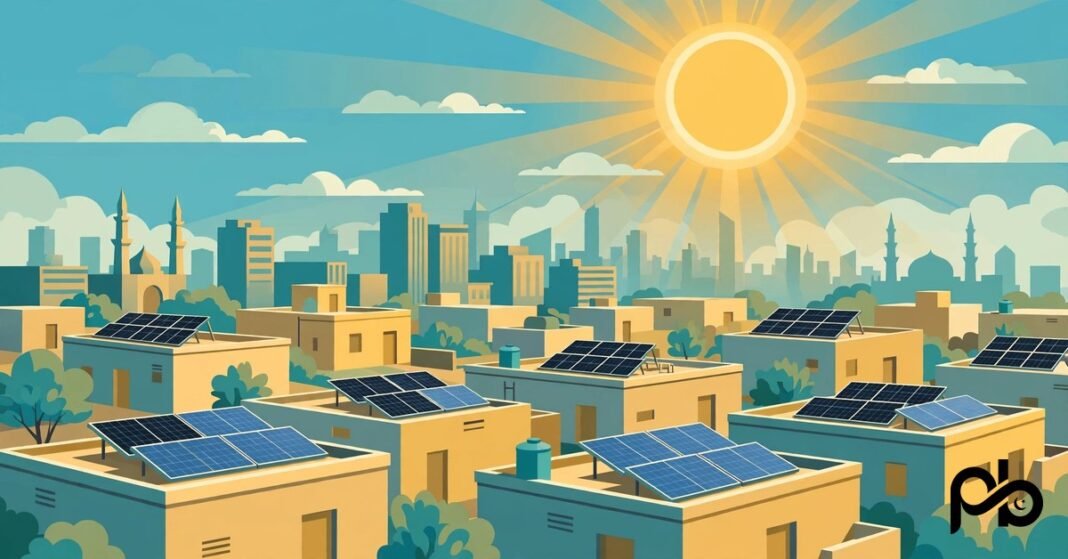

Pakistan added nearly 22 gigawatts of rooftop solar capacity in just two years, Prime Minister Shehbaz Sharif told world leaders at the COP31 climate summit in Antalya, Türkiye, on November 11, describing the shift as a quiet revolution led by ordinary citizens.
What happened?
Addressing a high-level dialogue on clean energy transition titled “35 by 35: Powering the Future”, the prime minister said Pakistan had undergone a remarkable transformation in its energy sector as households and businesses turned to solar power for cheaper and more reliable electricity. He reaffirmed Pakistan’s support for the “35-by-35 Global Electrification Pledge”, under which countries aim to raise electricity’s share of total final energy consumption to around 35% by 2035.
Key details
- Pakistan added nearly 22,000 megawatts of rooftop solar capacity in two years, driven by households and businesses seeking affordable power.
- Clean energy sources now provide nearly 55% of Pakistan’s energy mix, according to the prime minister.
- Pakistan needs around $138 billion by 2035 for low-carbon power generation, plus another $50 billion to replace coal-based power with solar energy.
- The prime minister also pointed to the recent inauguration of a key section of the Chashma Nuclear Power Plant-5, which will add 1,200 megawatts of clean electricity to the national grid.
- He called for concessional financing and affordable technology transfers so developing countries can meet their climate targets, saying finance must flow at the speed of ambition.
What it means for people in Pakistan
The solar boom is already visible on rooftops across the country: families and businesses that installed panels did so largely to escape high electricity bills and unreliable supply. The figures shared at COP31 show just how fast that change has happened. The challenge now is turning household solar into a stable, well-managed part of the national grid — and securing the financing the government says is needed to keep the transition going.
Source: Business Recorder