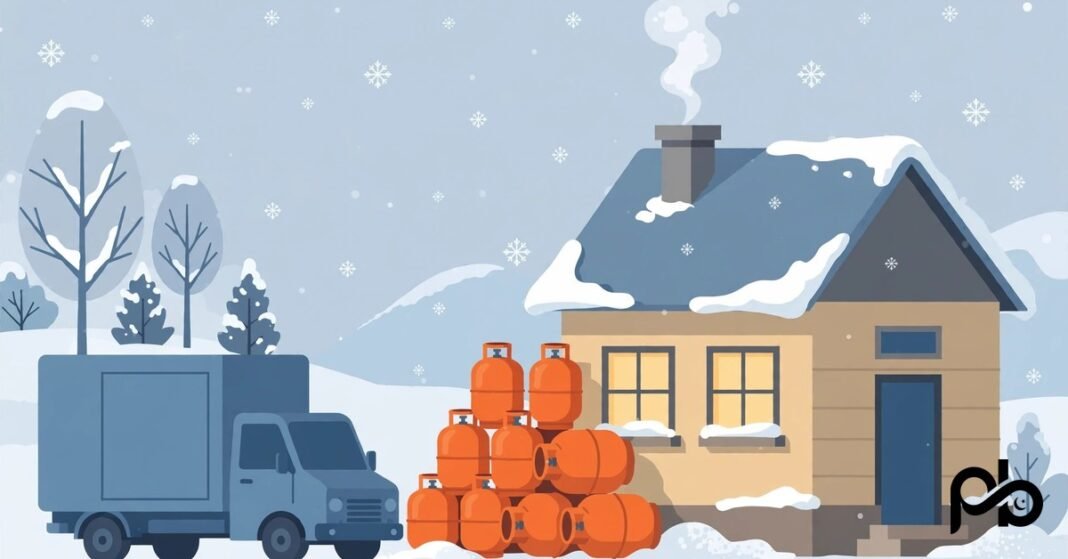

Pakistan will open its liquefied petroleum gas (LPG) market to competition, replacing the quota-based system for locally produced LPG with transparent auctions and stepping up imports through state-run companies, Petroleum Minister Ali Pervaiz Malik announced at a news conference in Islamabad on November 3, 2026.
What happened?
The government says the changes are aimed at curbing profiteering and preventing shortages during the winter months, when demand peaks. Pakistan consumes around 2.4 million tonnes of LPG a year, with more than half met through imports, and recent supply disruptions linked to the closure of Iranian border crossings pushed some market prices to Rs700 to Rs800 per kilogram, well above the international-market-based price of around Rs450.
Key details
- Locally produced LPG will be sold through transparent auctions in five-tonne and 10-tonne lots, with results made public, replacing the quota-based system.
- Pakistan State Oil, Sui Southern Gas Company and Pakistan LNG Limited have been directed to arrange bulk LPG imports through government-to-government and business-to-business deals.
- All importers will have to disclose their monthly procurement costs, including the Saudi Aramco contract price, premiums and freight, on their websites, and companies must publish their LPG prices online.
- Ten percent of the quota reserved for hard-to-reach areas will be distributed transparently through state-owned companies in consultation with provincial authorities.
- The Oil and Gas Regulatory Authority (OGRA) will make licensing more transparent and audit storage facilities to prevent hoarding, while the Competition Commission has been asked to act against cartelisation and anti-competitive practices.
- Additional revenue from the auction mechanism will go into a price stabilisation fund and a fund to protect vulnerable consumers, and the government says it will import liquefied natural gas if needed to meet household demand in December and January.
What it means for people in Pakistan
For households that rely on LPG cylinders for cooking and heating, more competition, published prices and bigger imports should mean fairer prices and more reliable supply through the coldest months. The winter test will be whether cylinders are actually available at reasonable prices in local markets, especially in areas that have faced shortages.